
Waterfront Living
Waterfront Living in Palm Coast & Flagler County
Explore the canals, Intracoastal waterways, oceanfront communities, and coastal homes that make waterfront living in this part of Florida so distinctive.
Understand Your Options
Four Ways to Live on the Water
Waterfront living in Palm Coast and Flagler County can look very different depending on the type of water, access, and lifestyle you want. Here’s a simple overview of the main options.
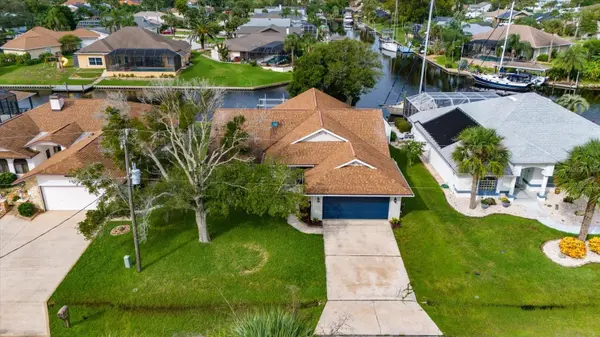
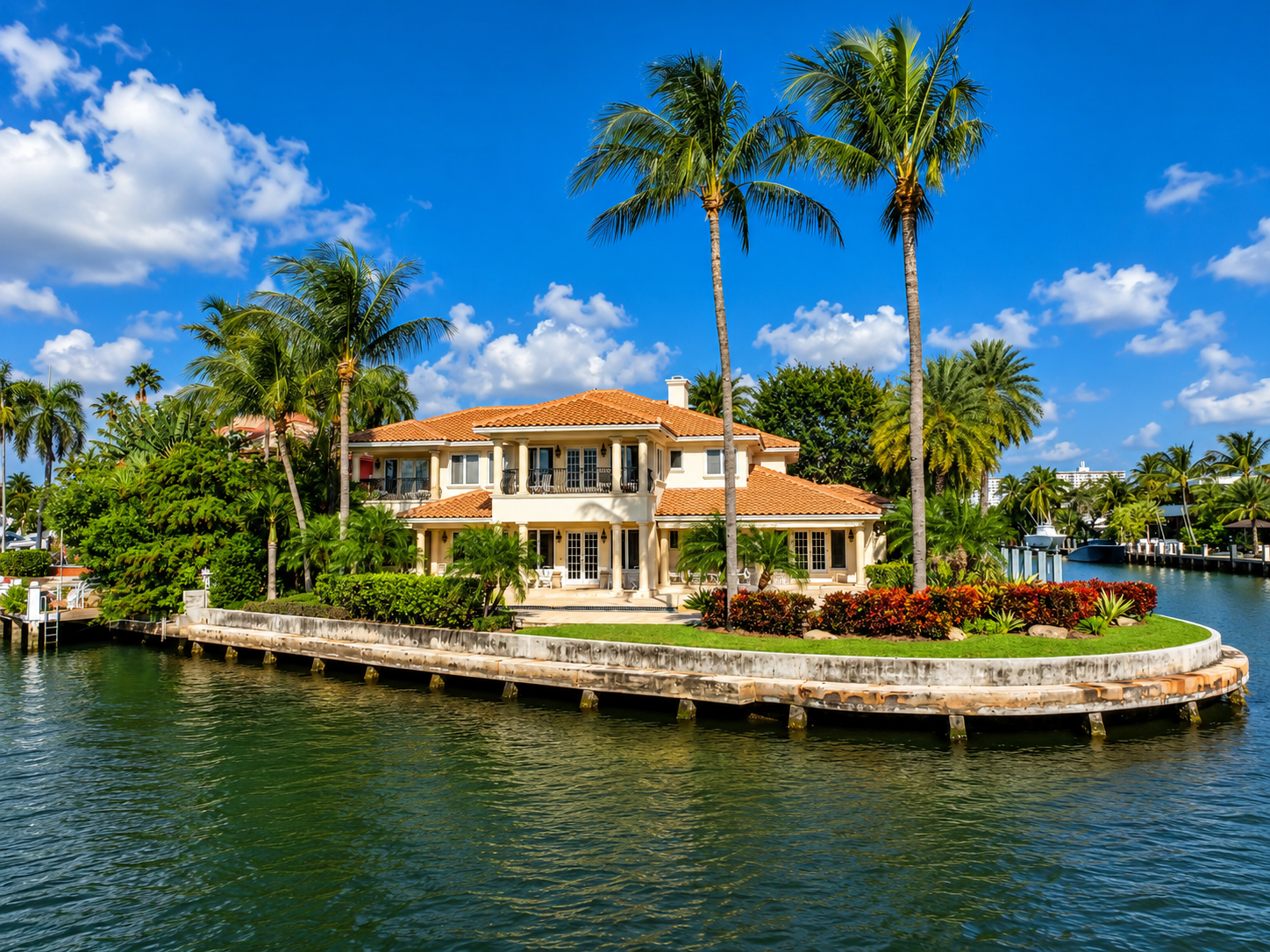 Waterfront Type 01 Saltwater Canal Homes Designed for buyers who want boating access from home, saltwater canal properties can connect to the Intracoastal while offering docks, lifts, and private waterfront living.
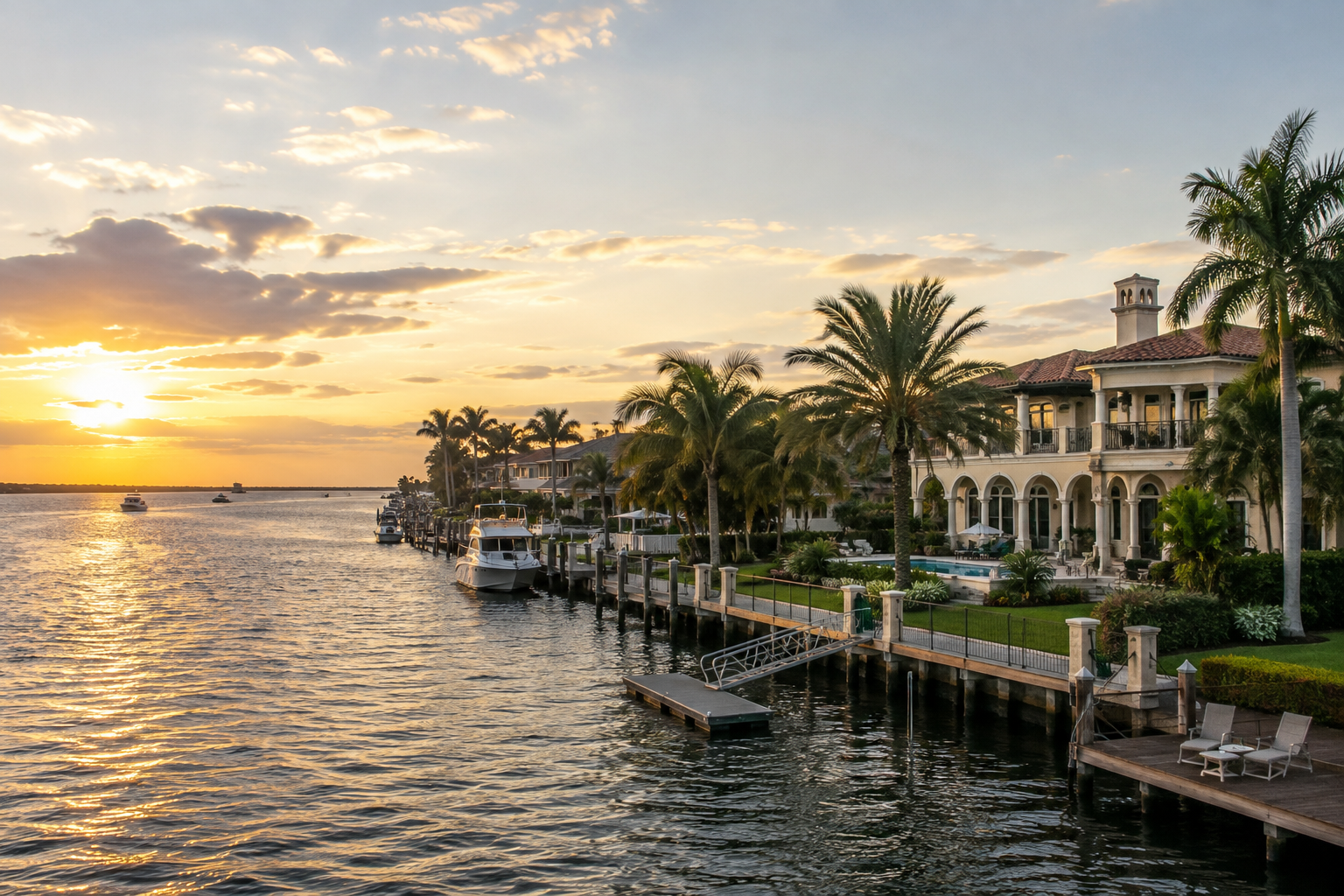 Waterfront Type 02 Intracoastal Waterfront Homes These homes offer direct access to the Intracoastal Waterway, often with broader water views and a stronger boating lifestyle right outside your door.
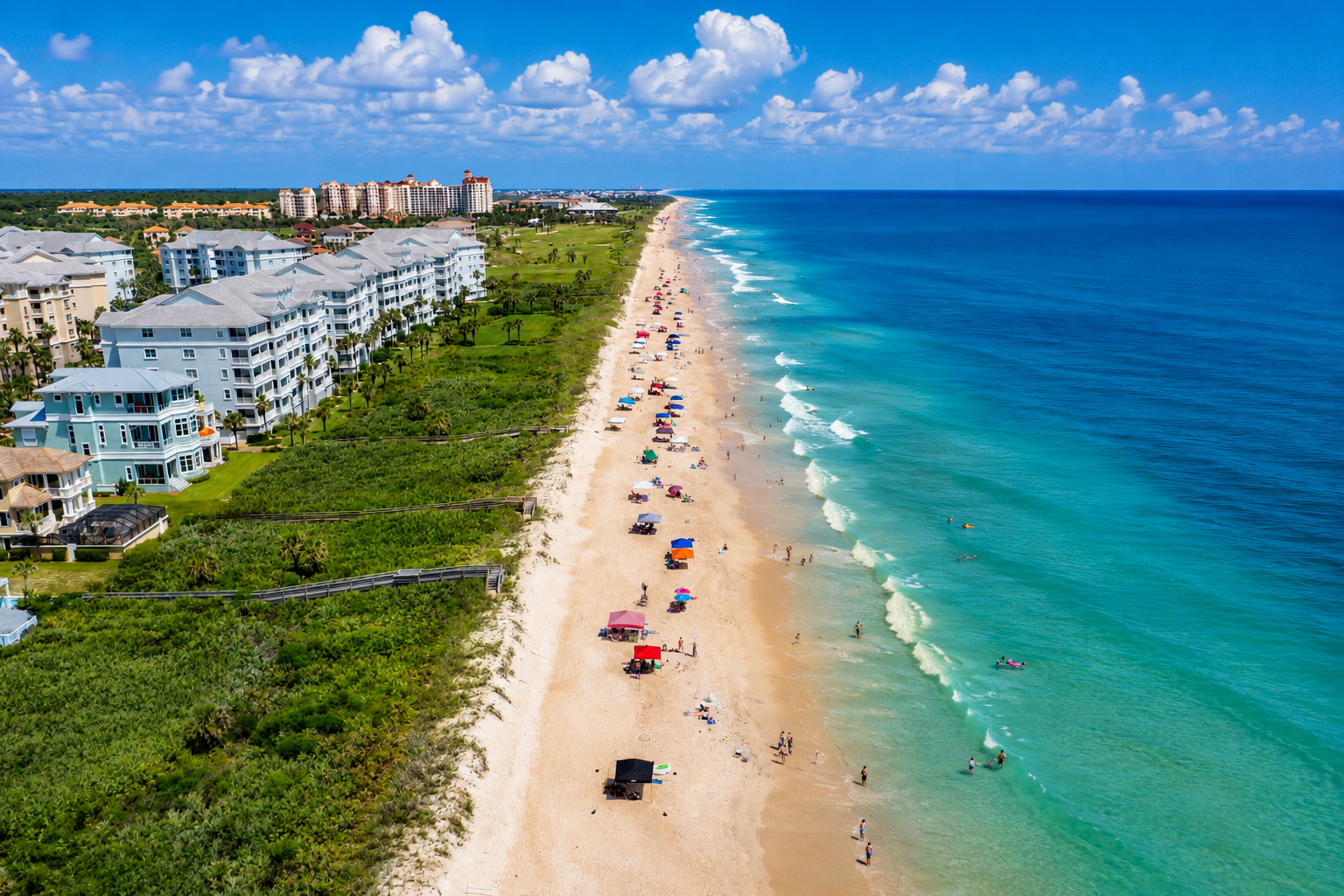 Waterfront Type 03 Oceanfront & Beachside From oceanfront homes to coastal condos and beachside communities, this lifestyle is centered on direct access to the Atlantic and everyday coastal living.
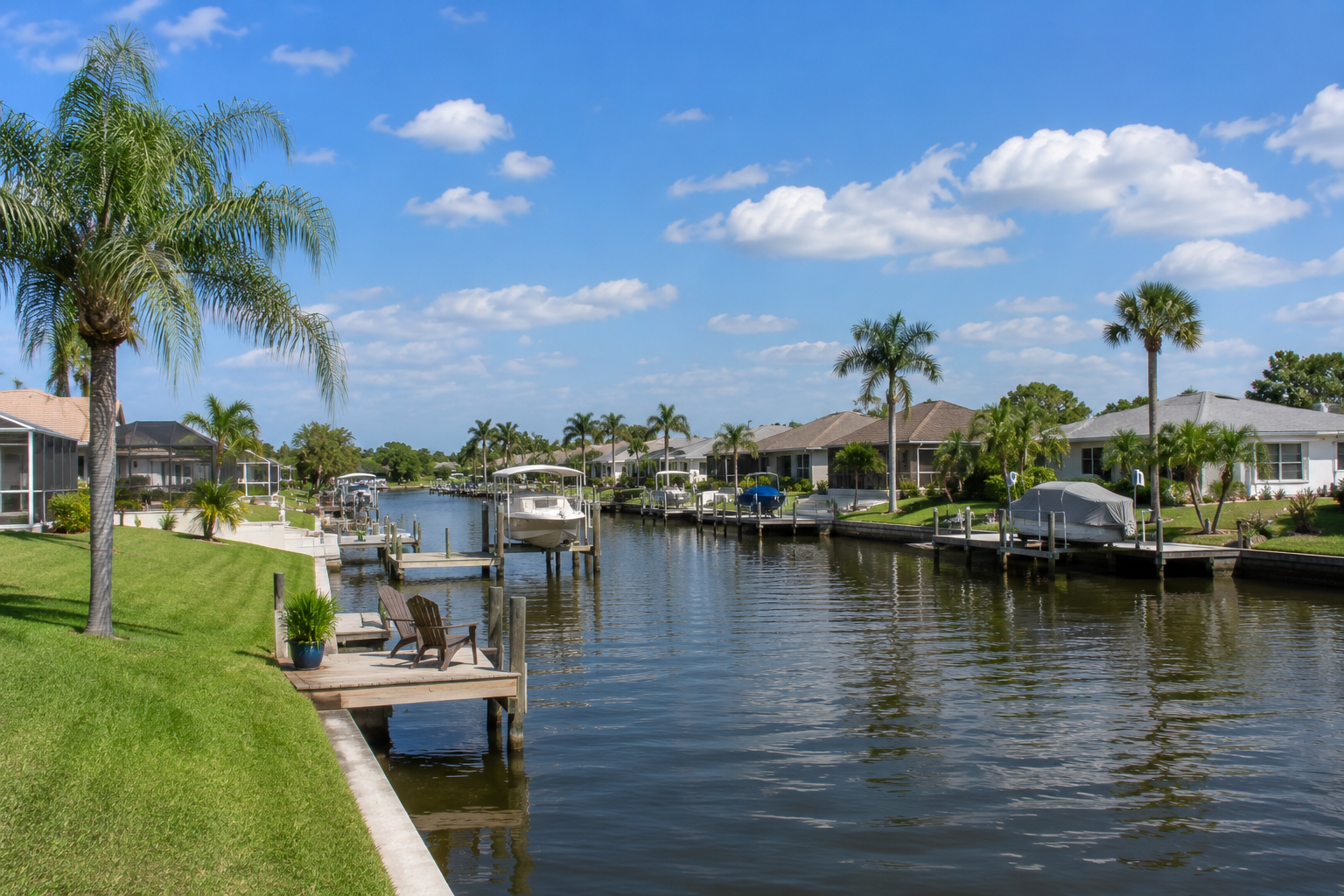 Waterfront Type 04 Freshwater Canal Homes Freshwater canal homes offer peaceful water views and a more residential atmosphere, but they do not provide the same boating access to the Intracoastal as saltwater canals.
Waterfront Buying Essentials
Look Beyond the Water View.
A beautiful view is only part of the picture. When buying waterfront property, understanding how the property connects to the water — and the structures, access, and conditions that come with it — can help you make a more informed decision.
Every waterfront property is different. Flood, insurance, permitting, seawall, dock, boating-access, and structural considerations should be independently verified with the appropriate professionals and local agencies before purchasing.




Waterfront FAQ
Questions About Waterfront Living?
From boating access to seawalls and flood considerations, understanding the details can make all the difference when choosing a waterfront home.
Saltwater and freshwater canals can offer very different lifestyles. Saltwater canal properties may provide navigable access toward the Intracoastal Waterway, while freshwater canals are separate systems and generally do not provide the same direct boating route to the Intracoastal. The specific access of any property should always be verified.
Some saltwater canal properties offer navigable routes to the Intracoastal Waterway, but access depends on the property's location within the canal system. Bridge clearance, water depth, tides, and the size of your boat can also affect whether a particular home works for your boating needs.
They can. If you plan to keep a boat at the property, bridge clearance along the route should be considered before purchasing. The height and configuration of your boat may make some waterfront locations more suitable than others.
The seawall is an important part of many waterfront properties. Buyers should consider its visible condition, age, maintenance history, previous repairs, and any signs that additional evaluation may be needed. A qualified professional can help assess its condition before purchase.
Consider the condition and configuration of the dock, the capacity and condition of the boat lift, available water depth, and whether existing improvements are appropriate for your intended use. Buyers should also verify applicable permits and requirements.
Not necessarily. Flood insurance requirements can depend on the property's flood risk, location, elevation, and financing. Even when coverage is not required by a lender, buyers may still choose to carry it. Review the specific property with your lender and insurance professional.
No. Oceanfront and beachside properties are centered around direct proximity to the Atlantic, while canal and Intracoastal properties may be better suited to buyers focused on boating and private water access. The right choice depends on how you want to use and enjoy your waterfront property.
Look beyond the view. Consider water access, bridge clearance, seawall and dock condition, flood information, insurance, maintenance, the home's overall condition, and whether the property supports the waterfront lifestyle you actually want.
Waterfront conditions and requirements vary by property. Flood, insurance, permitting, boating access, seawall, dock, and structural information should be independently verified with the appropriate professionals and local agencies.