Palm Coast Sellers and What to Disclose Before an Offer
Before you sign anything, ask three questions about every part of your house: Did I know about this? Would a buyer spot it on a walk-through? Would it change what they'd pay? If the answers are yes, no, and yes, put it in writing and attach the paperwork before you accept an offer.
What does a Florida seller have to disclose before accepting an offer?
Palm Coast sellers must disclose known facts that materially affect the property's value and are not readily observable to the buyer. That duty comes from the Florida Supreme Court's decision in Johnson v. Davis, and it applies even when your contract says "as-is." Settle your disclosure questions before you accept an offer, not after the buyer's inspector finds the problem.
Key Takeaways
- Florida's disclosure duty covers known, hidden, value-affecting facts, and The Florida Bar notes that "as-is" language does not excuse silence about a known, hidden material defect.
- A nondisclosure claim generally turns on four things: you knew about the condition, it affected value, it wasn't readily observable or known to the buyer, and you didn't disclose it.
- Recent local market data shows 40% of Ocean Hammock listings took a price cut among homes sold July through September 2026, so buyers are negotiating hard and a surprise at inspection costs you leverage.
- The best time to resolve a disclosure question is before you accept an offer, while you still control the paperwork and the timeline.
- Permits, water intrusion, seawalls, and assessment or CDD obligations are the local categories I walk sellers through first.
I've sat across the table from sellers who said, "Gina, it's been fixed, so it doesn't count." Sometimes they're right. Sometimes the repair is exactly what a buyer needs to hear about. The line between the two is what this post is about.
What should Palm Coast sellers disclose about water, roofs, and permits?
Disclose any known water intrusion, roof or structural problem, drainage issue, or unpermitted work that a buyer wouldn't spot in an ordinary showing. The test is not whether the problem is scary. The test is whether you knew, whether it affects value, and whether a buyer could see it for themselves.
Water intrusion and past leaks
If water has come into your home, whether through a window, a roof, a slab, or a plumbing line, that is the first thing I ask sellers about. Fresh paint over a ceiling stain is not a disclosure strategy. It's a future phone call from an attorney.
"Should I disclose an old roof leak if it was repaired?" is the question I hear most. A repaired leak can still be a known fact a buyer would want to weigh. Not every past event is automatically material, and the source I rely on says as much. But I would rather have you disclose the history and attach the invoice than have a buyer find it later and wonder what else you left out.
Previous flooding and storm damage
Coastal and storm-related questions come up often in Palm Coast and Flagler Beach, especially for homes with canal frontage, drainage concerns, or prior storm damage. Whether you must disclose depends on what you know, whether it affects value, and whether it's observable, not simply on where the house sits. Hold on to anything that documents what happened: insurance claims, flood claims, elevation information, flood-mitigation work, and drainage repairs.
Permits and unpermitted work
Open or expired permits, and work done without one, are the sort of thing that surfaces late and rattles a deal. Before you list, pull together the permits, contractor invoices, and inspection reports for roof work, plumbing or electrical repairs, and remediation. To check your permit history, go directly to the City of Palm Coast, the City of Flagler Beach, or Flagler County, whichever has jurisdiction over your address. I'll help you figure out which one that is.
Here's how the common categories break down:
| Condition | Why a buyer cares | Records worth gathering |
|---|---|---|
| Past water intrusion or leaks | Possible hidden damage or mold | Repair invoices, remediation records, insurance claims |
| Roof or structural problems | Large, deferred repair exposure | Roofer invoices, inspection reports, permits |
| Unpermitted or open-permit work | Can delay closing and affect insurability and value | Permit records from the city or county |
| Seawall or erosion issues | Major repair cost and shoreline risk | Seawall repair records, permits, inspection notes |
| Drainage and flood history | Affects use, insurance, and value | Flood claims, elevation information, drainage repairs |
| Pending or approved assessments | Affects the buyer's ongoing obligations | Letters from the district or association |
That table is a starting point, not a legal checklist. Every property tells a different story, and I'd rather walk yours with you than hand you a generic list.
How do Palm Coast sellers handle seawalls, assessments, and CDD obligations?
Get the facts in writing from the governing body, then share them with the buyer up front. Seawall defects and assessment obligations are exactly the kind of high-dollar, easy-to-miss items that cause trouble when they surface after closing.
Seawalls and canal frontage
If your property has a seawall, any known defect, erosion, or past repair belongs in the conversation. A buyer's inspector may not catch what's happening below the waterline, which is what makes it a hidden-condition question. Gather the repair records and any permits tied to the work. Check with the City of Palm Coast, the City of Flagler Beach, Flagler County, or the relevant permitting authority for the specifics of your situation.
CDD, HOA, and municipal assessments
"Who pays a CDD assessment or municipal assessment when a home sells?" is a fair question, and the answer is not one-size-fits-all. Who pays what is commonly negotiated, and the details depend on your contract and the governing district. I won't quote you a number or a default here. Instead, ask the district or association for the current assessment information, any unpaid balance, any pending or approved assessments, and any transfer-related requirements. Then confirm the allocation in your own contract with your closing agent.
If your home sits in a community with a CDD or HOA, don't assume the buyer already understands what that means for their monthly and annual obligations. Put the paperwork in their hands early.
Does "as-is" protect me?
No, not by itself. The Florida Bar's summary of buyer claims makes clear that "as-is" language does not excuse a seller's failure to disclose known, hidden material defects. It also notes that real estate licensees have their own disclosure duties for known material facts, and contract language cannot remove them. That's why I'll always ask you what you know before we ever write a listing description.
What is the process for Palm Coast sellers to disclose before accepting an offer?
Review what you know, gather the records, put anything material and non-obvious in writing, and update the buyer if something new comes up before closing. Doing this before you accept an offer protects you and keeps the deal from unraveling mid-contract.
- Review known defects. Walk the house with me and talk through anything you've repaired, patched, or lived with.
- Request your records. Permit history from the city or county, plus assessment details from any district or association.
- Identify repairs and insurance claims. Invoices, claims, and remediation paperwork all help tell the story accurately.
- Disclose material, non-obvious conditions in writing. Written beats verbal every time.
- Provide supporting documents. A disclosure with receipts attached is far more credible than one without.
- Update the buyer. If a new material fact arises before closing, tell them promptly.
Why the timing matters in today's market
Recent local market data for the Ocean Hammock neighborhood shows all home types sold July through September 2026 had a median sale price of $1,024,713, up 21% from $847,000 in the same window a year earlier. At those prices, buyers inspect carefully. The same data shows homes sold at an average of 93.7% of list price, 86% sold below list, 40% of listings took a price cut, and months of supply sat at 10.1. An individual home's value still depends on its condition, street, build year, and timing, but the pattern is clear: buyers have room to negotiate, and a late-discovered issue gives them more.
A clean, documented disclosure package keeps you in control of the conversation. You can see how I handle Palm Coast closings in recent sales like 80 Providence Lane and 29 Beckner Lane.
If you're unsure whether a particular issue rises to the level of a legally material fact, that's a genuine legal question. A Florida real estate attorney can advise you on it, and I'm happy to help you decide when to bring one in.
FAQ
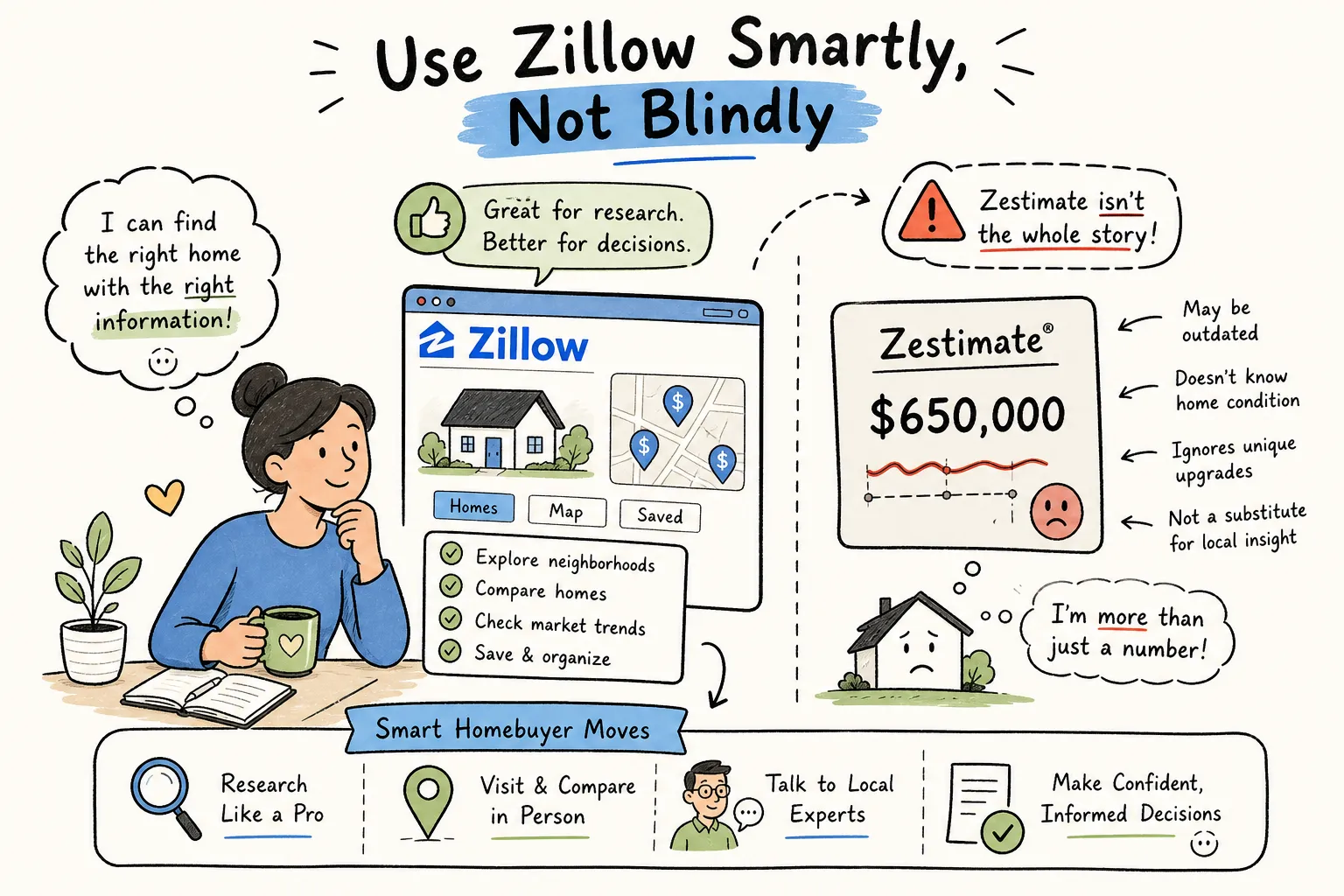
Before the questions, if you want to see how past clients felt about working with me, you can read my reviews on Google and Zillow.
What exactly does a Florida seller have to disclose before accepting an offer?
You must disclose known facts that materially affect the property's value and that the buyer can't readily observe. That standard comes from Johnson v. Davis. Anything you know about hidden water intrusion, roof or structural problems, or unpermitted work is a good place to start.
Does "as-is" protect a Palm Coast seller from a lawsuit over defects?
No, "as-is" language alone does not excuse a seller from disclosing known, hidden material defects. It may shape what a buyer expects about condition, but it isn't a shield for staying quiet about something you knew.
Do I have to disclose previous flooding or water intrusion in a Flagler Beach home?
If you know about it, it affects value, and a buyer wouldn't readily see it, you should treat it as something to disclose. The requirement turns on your knowledge and the condition's effect on value, not just the home's location. Keep claims, repair invoices, and mitigation records handy.
How can a Palm Coast seller check for open or expired permits?
Start with the permitting office for your address, either the City of Palm Coast, the City of Flagler Beach, or Flagler County. Ask for your permit history before you list so any gaps are handled before an offer comes in. I can help you figure out which office to contact.
Can a buyer sue after closing if the seller knew about a defect but did not disclose it?
Yes, a buyer can bring a nondisclosure claim if they can show you knew about the condition, it affected value, it wasn't readily observable, and you failed to disclose it. That's why resolving disclosure questions before you accept an offer is worth the effort.
The takeaway for Palm Coast sellers is simple: know what you know, document it, and tell the buyer before they have to find it themselves. If you're thinking about selling, I'll help you sort through your records, your property's history, and your disclosure approach before you ever accept an offer. Schedule a consultation with me and we'll go through it together.
Equal Housing Opportunity. M. Gina DosSantos, Broker Associate, Coastal Gateway Real Estate Group. This article is general information, not legal, tax, or financial advice; confirm your own situation with your closing agent, tax advisor, lender, or a Florida real estate attorney as appropriate.
Categories
Recent Posts